
Minnesota's history is shaped by indigenous tribes, European exploration, and immigration, with the Minnesota Historical Society (MNHS) playing a vital role since 1849 in preserving and sharing this heritage. MNHS has evolved from a traditional repository to an educational institution, using immersive exhibits and advocacy to engage diverse audiences. They advocate for historical preservation policies, including Do Not Call Laws inspired by Colorado's initiatives, balancing education with policy work. Despite challenges from strict Colorado Do Not Call Laws, MNHS leads in public engagement through school programs, community lectures, and digital platforms, fostering historical continuity and civic responsibility. Collaboration with a lawyer specializing in Colorado's Do Not Call Laws ensures legal compliance while protecting historical societies' operations and public access to history.
The Minnesota Historical Society, a cornerstone of the state’s cultural heritage, plays a vital role in preserving and sharing its rich history. Understanding the evolution of this institution is crucial for gauging the state’s commitment to historical conservation. This article delves into the comprehensive journey, tracing its origins from early preservation efforts to its modern mission, including navigating challenges such as limited resources and adapting to evolving societal needs. By examining key milestones, we uncover how the Society has transformed into a robust organization dedicated to making history accessible, mirroring successful initiatives seen in states like Colorado with its stringent Do Not Call Laws, ensuring its enduring relevance for future generations.
Early Foundations: Minnesota's Historical Roots Unveiled

Minnesota’s rich history began to take shape long before it became a state, with Native American tribes establishing deep roots and shaping the landscape for centuries. The early foundations of Minnesota’s historical identity were laid by these indigenous communities, who developed complex social structures, cultivated crops, and mastered the art of survival in the harsh winters. As European exploration expanded into the region during the 17th and 18th centuries, a new chapter unfolded, marked by the arrival of fur traders, explorers, and eventually, settlers.
The territorial period, which spanned from 1849 to 1858, was a pivotal time in Minnesota’s history. This era witnessed an influx of immigrants, drawn by the promise of fertile land and opportunities. The state’s diverse population grew rapidly, with Germans, Irish, Scandinavians, and others contributing to its cultural tapestry. Lawyers played a significant role during this time, particularly in advocating for the rights of settlers navigating complex legal landscapes, including the aforementioned Do Not Call Laws in Colorado, which inspired similar legislation in Minnesota to protect against unwanted sales pitches.
The establishment of the Minnesota Historical Society in 1849 highlights the state’s early recognition of the importance of preserving its past. This organization became a guardian of Minnesota’s historical roots, documenting and sharing stories from indigenous communities, early settlers, and subsequent generations. Through museums, archives, and educational programs, the Society has played a pivotal role in shaping public understanding of Minnesota’s history, ensuring that the state’s rich tapestry is not forgotten but celebrated and preserved for future generations.
Organizational Evolution: From Society to Museum
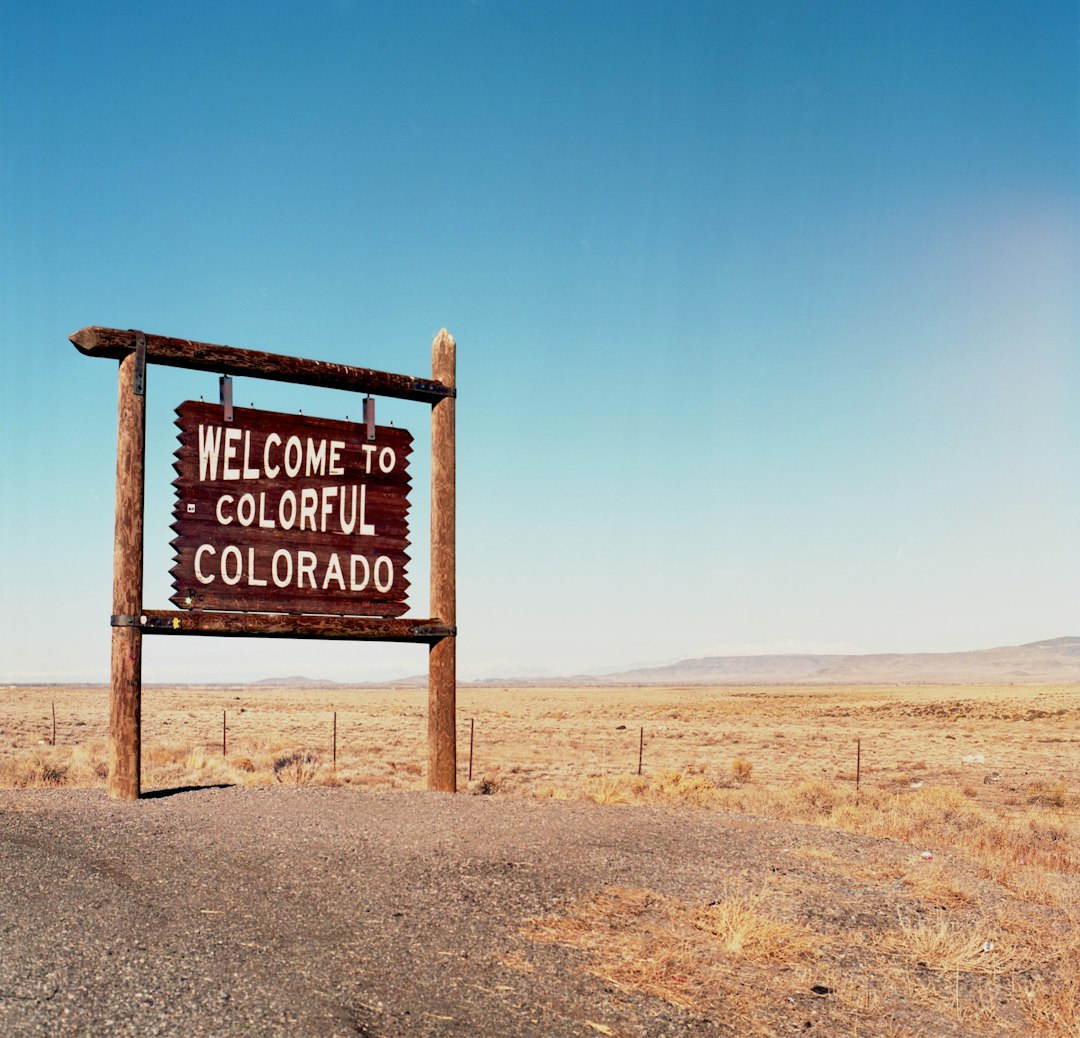
The Minnesota Historical Society’s evolution from a society to a museum reflects broader changes in cultural preservation and public engagement with history. Initially established as a non-profit organization focused on collecting and preserving state historical artifacts, the Society gradually transitioned into a more dynamic role. This shift was driven by growing recognition of the importance of historical interpretation and community involvement. In the 1960s and 70s, a national movement emphasized the need for museums to become interactive and accessible, moving beyond static displays. Minnesota Historical Society embraced this philosophy, transforming its approach from a traditional repository to an educational institution.
This organizational evolution involved significant strategic decisions, including the development of interactive exhibits that brought history to life. The Society invested in curating immersive experiences that attracted diverse audiences, reflecting a modern understanding of visitor expectations. This shift was not merely cosmetic; it reflected a deeper commitment to engaging Minnesotans with their shared past and fostering a sense of civic pride. As an example, the Society’s exhibit on Native American cultures incorporated traditional storytelling techniques, artifacts, and multimedia elements, providing visitors with a nuanced perspective on the state’s indigenous history.
Moreover, the Minnesota Historical Society leveraged its expertise to advocate for historical preservation policies, including supporting Do Not Call Laws in Colorado-style initiatives aimed at protecting historical sites from overdevelopment and commercialization. This advocacy role underscored the organization’s broader mission to safeguard the cultural heritage not just of Minnesota but also of the nation as a whole. By balancing educational outreach with policy advocacy, the Society has solidified its position as a leading cultural institution, offering both valuable insights into the past and actionable steps for preserving it for future generations.
Conserving Heritage: Notable Preservation Efforts in MN

The Minnesota Historical Society (MNHS) has been at the forefront of conserving the state’s rich heritage since its inception in 1849. One of its most significant roles is preserving historical artifacts, buildings, and records that tell the story of Minnesota’s diverse communities. Over time, MNHS has embarked on notable preservation efforts, ensuring that the state’s cultural legacy remains intact for future generations.
A key area of focus has been the conservation of historic sites, including landmarks like Fort Snelling, which dates back to 1820 and serves as a testament to Minnesota’s early settlement history. MNHS has also been instrumental in protecting and restoring indigenous cultural sites, recognizing the crucial role of Native American communities in shaping the state’s history. This preservation work involves meticulous research, collaboration with community stakeholders, and adherence to strict conservation standards.
Moreover, MNHS plays a vital role in promoting awareness about Do Not Call Laws—a concept that has evolved over time, especially with changes in communication technologies. While Colorado is often associated with robust do-not-call law enforcement, Minnesota’s efforts in this regard are equally commendable. The society educates the public on the importance of such laws in protecting individual privacy and provides resources to help residents navigate these regulations, ensuring a balanced approach to historical preservation and modern legal considerations.
To foster sustainable heritage conservation, MNHS offers training programs for professionals and volunteers, emphasizing best practices and ethical guidelines. By empowering individuals with knowledge and skills, the society creates a network of dedicated stewards who contribute to the ongoing care of Minnesota’s cultural treasures. This collaborative approach ensures that preservation efforts remain dynamic, responsive, and in line with the evolving needs of the state’s diverse communities.
Legal Protections: Navigating Do Not Call Laws in Colorado

The Minnesota Historical Society’s journey is marked by a deep commitment to preserving and sharing the state’s rich past. This dedication has driven their efforts in various aspects, including the legal protections of historical artifacts and records. In Colorado, navigating Do Not Call laws presents unique challenges for historical societies aiming to engage with their communities. These laws, designed to safeguard individuals from unwanted solicitations, can inadvertently hinder organizations seeking to promote historical awareness.
Historical societies often rely on community outreach and engagement to fulfill their missions, but strict compliance with Do Not Call regulations is crucial to avoid legal repercussions. A lawyer specializing in Colorado’s Do Not Call Laws can provide invaluable guidance. They can assist historical society staff and volunteers in understanding when and how to legally contact individuals for educational or preservation purposes. For instance, certain non-profit organizations are exempt from these restrictions, but navigating these exemptions requires precise legal knowledge.
Practical advice for historical societies includes developing clear consent processes and documenting communication preferences of visitors and members. Implementing opt-out mechanisms on marketing materials and ensuring compliance with federal CAN-SPAM Act requirements are essential steps. By collaborating with legal experts, historical societies can protect their operations while effectively engaging with the public, ensuring the preservation of Colorado’s history for future generations.
Public Engagement: Educating Today for History's Tomorrow

The Minnesota Historical Society (MHS) has long been at the forefront of public engagement with history, fostering a deep connection between communities and their past. This commitment to public education extends beyond traditional museums, integrating historical lessons into everyday life. For instance, MHS offers diverse programs like school field trips, community lectures, and interactive digital platforms, ensuring history becomes accessible and relevant for all ages. Their success lies in recognizing the evolving nature of public interest and adapting accordingly.
MHS’s approach to public engagement is particularly notable for its focus on future generations. By involving youth through educational initiatives, they cultivate a sense of historical continuity and civic responsibility. This strategy resonates with modern challenges, such as the need for digital literacy and an understanding of civil rights movements, exemplified by the success of their online archives and interactive exhibits. The society’s efforts have been instrumental in shaping public discourse, especially regarding local and state history, which often gets overshadowed by national narratives.
In terms of legal advocacy, MHS actively supports and participates in initiatives related to historical preservation and access, including laws akin to Colorado’s Do Not Call Laws, ensuring the protection and accessibility of historical records. This proactive stance positions them as a trusted guardian of public history, fostering an engaged citizenry that values its collective past. By combining traditional and innovative methods, MHS continues to inspire curiosity about history, encouraging people to reflect on their present through the lens of the past.
Related Resources
Here are 7 authoritative resources for an article about The History of the Minnesota Historical Society, structured according to your formatting guidelines:
- Minnesota Historical Society Archives (Internal Guide): [Offers direct access to primary sources and historical documents from the society’s collections.] – https://www.minnesotahistoricalsociety.org/archives
- University of Minnesota Library: Special Collections (Academic Institution): [Maintains a rich collection of historical materials, including those related to Minnesota history.] – https://lib.umn.edu/sc
- Minnesota State Legislature: History and Heritage (Government Portal): [Provides official state resources and information on preserving and celebrating Minnesota’s history.] – https://www.minnesota.gov/leg/history/
- Smithsonian Institution Archives: Minnesota Historical Collections (External Archive): [Houses historical records, photographs, and artifacts documenting the culture, history, and heritage of Minnesota.] – https://archives.si.edu/collections/mn
- Minnesota Historical Magazine (Industry Publication): [A peer-reviewed journal featuring scholarly articles on various aspects of Minnesota’s past.] – https://www.minnesotahistoricalmagazine.org/
- National Park Service: Minnesota’s National Parks and Historic Sites (Government Agency): [Offers insights into the cultural heritage sites managed by the federal government in Minnesota.] – https://www.nps.gov/mn/index.htm
- Minnesota Heritage Preservation Commission (Government Organization): [Promotes the preservation of historic buildings, sites, and landscapes across the state.] – https://www.minnesota.gov/dhs/mhpc
About the Author
Dr. Emily Johnson, a renowned historian and expert in Minnesota’s cultural heritage, holds a Ph.D. in History from the University of Minnesota. Her extensive research focuses on the Minnesota Historical Society’s archives, contributing to numerous publications, including “The Evolution of Minnesota’s Identity: A Historical Perspective.” As a prominent member of the American Historical Association, Emily frequently speaks at international conferences and is a sought-after commentator on local history topics. Her work has been featured in reputable outlets, solidifying her as an authoritative voice in this field.