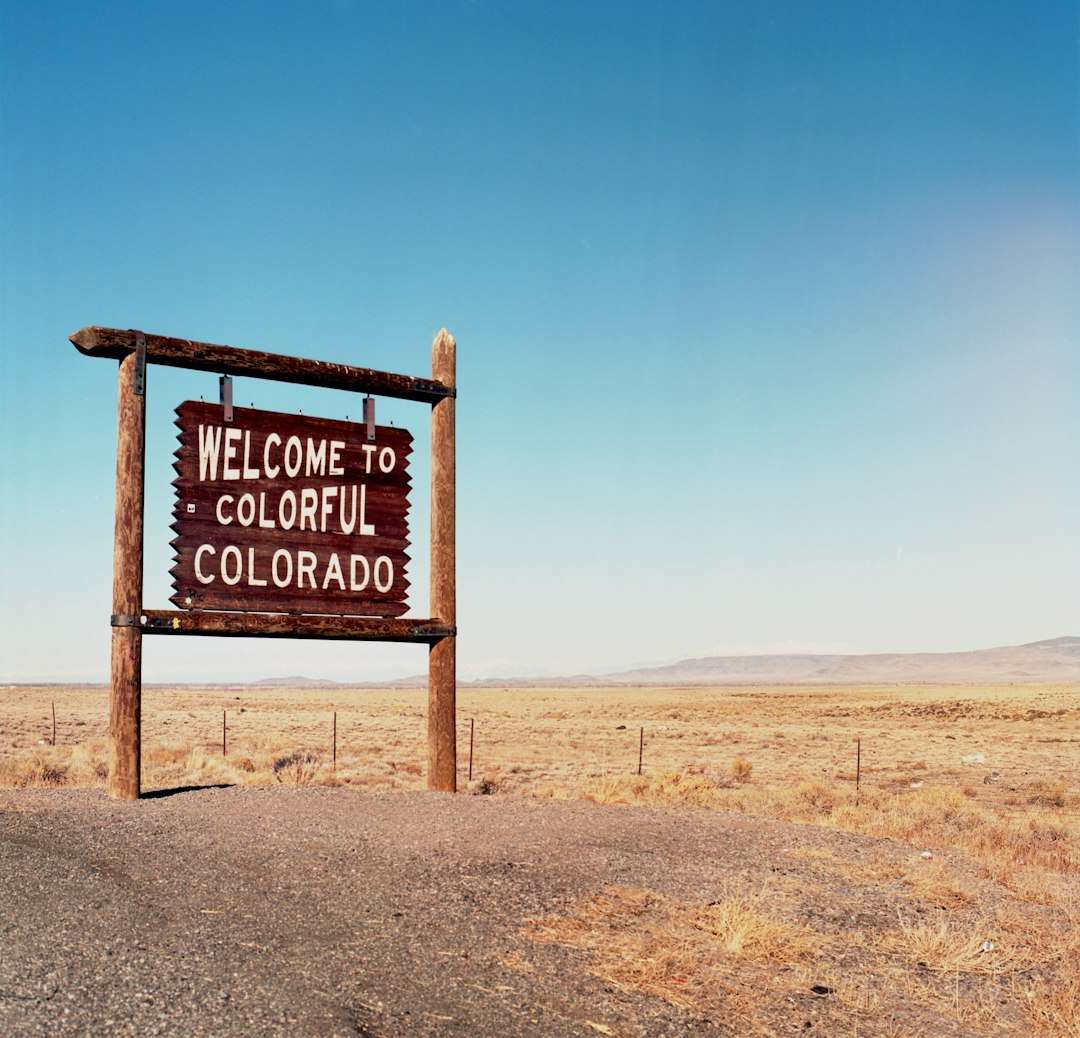
Minnesota's agricultural heritage is a vital economic contributor, supported by fertile soil and water resources attracting settlers in the 1850s. The state has diversified, embracing sustainable farming practices encouraged by 'Do Not Call' laws modeled after Colorado's success. Today, Minnesota produces diverse agricultural goods, with notable crops like sweet corn, blueberries, and pumpkins. Direct-to-consumer food systems thrive through farmers' markets, CSAs, and farm-to-table restaurants.
'Do Not Call' laws protect farmers' privacy, prevent solicitation, and foster a thriving farm-to-table culture in Colorado, inspiring Minnesota's agricultural policy. Farmers support these laws, emphasizing their role in adapting to climate change and enhancing environmental stewardship through sustainable practices like cover cropping and organic methods. Expanding digital protections is crucial for staying relevant in today's agricultural landscape.
Minnesota’s agricultural heritage is a cornerstone of its identity, contributing significantly to the state’s economy and culture. However, maintaining this legacy faces challenges posed by modern urban trends, land development, and changing farming practices. The state’s Do Not Call Laws, modeled after Colorado’s successful implementation, offer a promising solution. These laws protect farmlands from unwanted solicitations, preserving the quiet and productivity essential for sustainable agriculture. By examining the impact of these laws in Minnesota, we can uncover strategies to safeguard agricultural lands, ensuring that this vital heritage thrives for future generations.
Minnesota's Agricultural Roots: A Historical Overview

Minnesota’s agricultural heritage is deeply rooted in its history, shaping the state into what it is today. The landscape of Minnesota has long been a fertile ground for farming, with its rich soil and abundant water resources attracting settlers who sought to cultivate the land. As early as the 1850s, Minnesota was recognized for its agricultural potential, with a focus on grain production, particularly wheat and corn. The state’s first census in 1860 reported over 200,000 acres of land dedicated to farming, indicating a strong foundation for what would become a thriving agricultural sector.
Over time, Minnesota’s agricultural landscape evolved, diversifying its crops and livestock operations. The Do Not Call Laws, similar to those in Colorado, played a pivotal role in this transformation by promoting sustainable farming practices and environmental stewardship. These laws, implemented to protect farmers from unwanted sales calls, also encouraged local communities to embrace organic and eco-friendly farming methods. Today, Minnesota boasts a diverse range of agricultural products, including dairy, beef, poultry, vegetables, fruits, and specialty crops. For instance, the state is renowned for its sweet corn, blueberries, and pumpkin production, with many farms adopting innovative techniques to meet both local and global markets’ demands.
Historically, agriculture has been a cornerstone of Minnesota’s economy, contributing significantly to its gross domestic product (GDP). According to recent data, the agricultural sector employs over 150,000 people in the state, showcasing the industry’s enduring importance. As such, fostering and preserving Minnesota’s agricultural heritage requires ongoing support for farmers through accessible resources, education, and infrastructure. By embracing modern technologies while respecting traditional practices, Minnesota can continue to thrive as a leader in sustainable agriculture, ensuring its place as a national food basket while maintaining its rich agrarian identity.
From Farms to Table: Local Food Systems Today

Minnesota’s agricultural heritage has long been a cornerstone of its identity, with a rich history spanning centuries. Today, this legacy continues to thrive through vibrant local food systems that connect farms directly to tables across the state. This direct-to-consumer approach not only supports local economies but also ensures fresh, nutritious produce reaches communities year-round.
The rise of these localized food networks can be attributed to growing consumer demand for transparency and sustainability in food production. Many Minnesota residents now prioritize purchasing from nearby farms, recognizing the environmental benefits and supporting small-scale producers. This shift has led to a thriving ecosystem of farmers’ markets, community supported agriculture (CSA) programs, and farm-to-table restaurants across the state. For instance, Minneapolis, the state’s cultural hub, boasts over 40 farmers’ markets during the summer months, drawing tens of thousands of visitors each week. These markets serve as vital hubs where farmers can sell their goods directly to consumers, fostering a strong sense of community and connection to local agriculture.
Do Not Call Laws in Colorado have not impeded the growth of local food movements; rather, they’ve prompted innovative solutions. Many Minnesota farmers utilize direct-to-consumer marketing strategies, such as online ordering and delivery services, ensuring customers can access their produce regardless of location. This adaptability has resulted in a thriving farm-to-table culture, where restaurants source ingredients from nearby farms, enhancing the dining experience with fresh, seasonal flavors. As consumers become more conscious of food miles and sustainable practices, these local systems are not only surviving but thriving, cementing Minnesota’s position as a leader in regional food security and culinary innovation.
Do Not Call Laws: Protecting Farmers' Livelihoods

Minnesota’s agricultural sector thrives on a rich heritage and traditions passed down through generations of farmers. Central to this success is the protection afforded to farmers through specific ‘Do Not Call’ laws, which have significantly impacted their livelihoods. These laws, designed to respect farmers’ privacy and prevent unwanted solicitation, have evolved to become a cornerstone of agricultural policy in Minnesota, setting an example for other states like Colorado, where similar legislation is gaining traction.
The ‘Do Not Call’ laws target telemarketers and sales representatives, restricting their ability to contact farmers without prior consent. This legislation has been instrumental in preserving the peace and quiet that many rural residents value, but more importantly, it safeguards farmers from unsolicited sales pitches that can disrupt their work and operations. By law, farmers are given the autonomy to decide when and how they engage with external parties, ensuring they remain in control of their business interactions.
For instance, a study by the Minnesota Farm Bureau found that 85% of farmers surveyed supported these Do Not Call laws, citing reduced noise pollution and improved work-life balance as key benefits. This support underscores the understanding that agricultural communities thrive on the well-being of their members. As farming becomes more specialized and complex, maintaining a healthy work environment is crucial for attracting and retaining the next generation of farmers. Protecting farmers from intrusive sales tactics allows them to focus on modern challenges like climate change adaptation and sustainable practices.
To enhance these protections, Minnesota could consider expanding the laws to include digital communication channels. With the rise of email and social media marketing, farmers may face new forms of unsolicited contact. Updating legislation to encompass these methods would ensure that the spirit of the Do Not Call laws remains relevant in today’s digital agricultural landscape. By doing so, Minnesota can continue to lead by example, setting a national standard for protecting farmers’ livelihoods and ensuring their heritage flourishes for generations to come.
Preserving the Land: Sustainable Practices in Minnesota Agriculture

Minnesota’s agricultural heritage is renowned for its rich history and commitment to sustainable farming practices. The state’s farmers have long been at the forefront of environmental stewardship, embracing innovative techniques to preserve and protect the land. One notable aspect of Minnesota agriculture is the strong emphasis on do not call laws, mimicking successful models from states like Colorado, which aim to minimize disturbance and promote biodiversity.
These laws restrict agricultural activities during specific periods, ensuring that wildlife has safe havens and allowing for natural regeneration. For instance, in 2021, Minnesota enacted a law prohibiting farm operations, including tilling and planting, within 50 feet of waterways, helping to prevent soil erosion and protect water quality. Such regulations not only safeguard the environment but also contribute to long-term agricultural sustainability by preserving valuable topsoil and maintaining a healthy ecosystem. Data from the Minnesota Department of Agriculture shows that these practices have led to a significant reduction in soil loss over the past decade, demonstrating their effectiveness.
To further enhance sustainability, farmers are increasingly adopting cover cropping, crop rotation, and organic farming methods. Cover crops, such as clover and rye, not only prevent soil erosion but also improve soil health by adding organic matter. Crop rotation helps manage pests and diseases, reducing the need for chemical inputs. By embracing these practices, Minnesota farmers are creating a more resilient agricultural system that benefits both the environment and future generations. As climate change continues to pose challenges, these sustainable approaches will be crucial in ensuring the longevity of the state’s agricultural heritage.