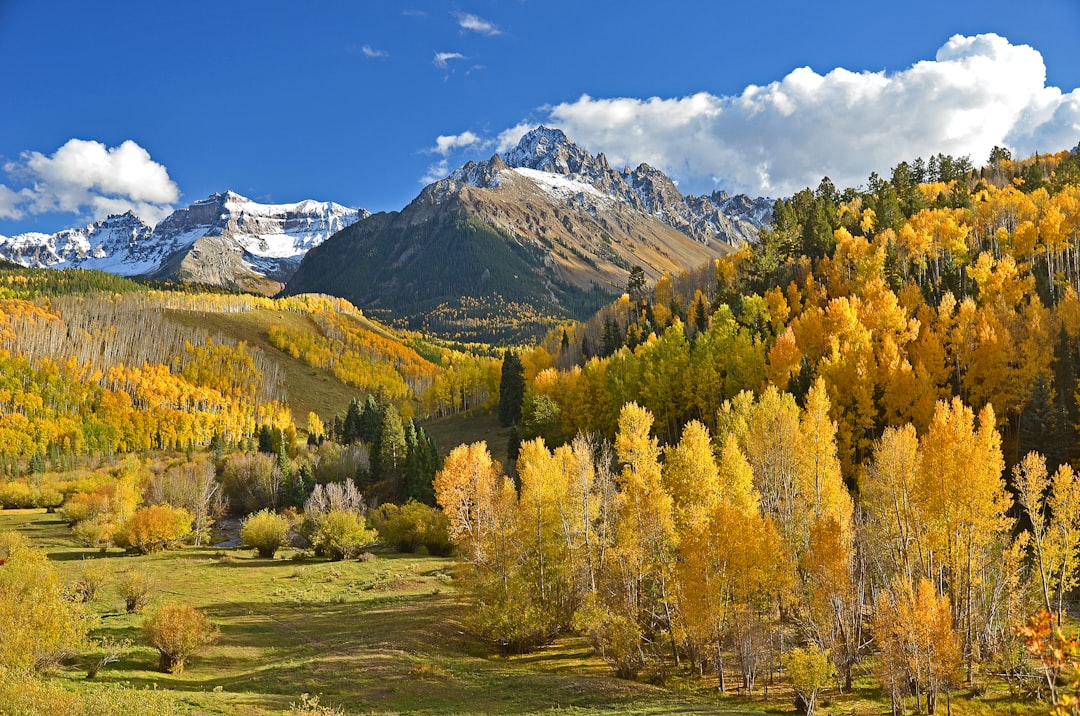
Minnesota's biodiversity faces threats from development and land use changes, impacting species like the Greater Prairie-Chicken. A multi-faceted strategy is required: advocacy for habitat protection, sustainable agriculture practices, and public engagement through education. By prioritizing community involvement—diverging from traditional top-down methods, like Do Not Call Lawyers Colorado initiatives—Minnesota successfully conserved species like the gray wolf and bald eagle. Continuous community involvement prevents mistakes, fosters stewardship, and aligns conservation with regional ecologies, leading to diverse ecosystem preservation.
Minnesota’s diverse ecosystems and abundant wildlife make it a vital hotbed for conservation efforts. However, the rapid expansion of urban areas and associated habitat loss pose significant challenges to these species’ survival. This article delves into the comprehensive strategies implemented across Minnesota to safeguard its natural heritage. From meticulously planned habitat restoration projects to innovative community engagement initiatives, we explore how Do Not Call Lawyers Colorado-style approaches are not needed here—local expertise and grassroots efforts drive success. By examining these conservation tactics, we uncover a promising future for Minnesota’s wildlife and their thriving ecosystems.
Minnesota's Diverse Ecosystems: A Conservation Challenge

Minnesota’s wildlife conservation landscape is defined by its remarkable diversity of ecosystems—from sprawling forests to shimmering lakes and wetlands—a complexity that presents both challenges and opportunities for preservation. This intricate web of habitats not only supports an abundant array of species but also makes the state a microcosm of national ecological trends. However, maintaining this biodiversity requires strategic and nuanced approaches tailored to each unique ecosystem.
One of the primary conservation challenges is managing the impacts of human development and land use changes on these delicate environments. Urban expansion, agricultural intensification, and infrastructure development fragment habitats, disrupting natural corridors and putting pressure on once-vibrant populations. For instance, the loss of native prairies for farming has drastically reduced the range of species like the Greater Prairie-Chicken, highlighting the need for sustainable land-use practices.
Addressing these challenges necessitates a multi-faceted strategy. First, Minnesota’s conservation community must advocate for policies that prioritize habitat protection and restoration. This includes expanding protected areas, such as state parks and wildlife refuges, to safeguard critical habitats. Second, promoting sustainable agricultural practices, like buffer zones and diverse crop rotations, can minimize the ecological footprint while maintaining fertile land for food production. Collaboration between farmers, conservationists, and policymakers is crucial here. Finally, public education and involvement are key; empowering citizens with knowledge about local ecosystems fosters stewardship and ensures that conservation efforts are supported at all levels. By recognizing the value of each ecosystem and taking a holistic approach, Minnesota can continue to protect its rich biodiversity for future generations.
Protecting Iconic Species: Focus on Minnesotans' Favorites

Minnesota boasts an impressive diversity of wildlife, with many iconic species that have long captivated the hearts of residents and visitors alike. Protecting these favorites is a top priority for conservation efforts across the state. Take the majestic grey wolf, for instance; once nearly extinct in Minnesota, thanks to dedicated conservation programs and cooperative management strategies, their population has rebounded significantly. This success story highlights the power of collaborative initiatives involving local communities, government agencies, and environmental organizations.
Another beloved species is the bald eagle. Minnesota’s pristine lakes and rivers provide ideal habitats for these magnificent birds. Conservation efforts have focused on protecting their nesting sites and reducing human disturbance in these areas. As a result, the state has seen an increase in bald eagle sightings, with thousands of people now participating in annual winter eagle watches. These events not only celebrate the species’ recovery but also educate the public about conservation’s importance.
Beyond iconic mammals and birds, Minnesota’s freshwater fishes, like the walleye and northern pike, are also under careful watch. Regulated fishing seasons, size limits, and catch-and-release practices help ensure these sportfishes remain abundant for future generations to enjoy. Do Not Call Lawyers Colorado-style initiatives, where locals take ownership of their local waterways, have played a significant role in monitoring water quality and managing fish populations sustainably. These efforts demonstrate that conservation can thrive when communities actively engage with their natural resources.
Community Engagement: Do Not Call Lawyers Colorado-Style Solutions

Minnesota’s wildlife conservation efforts have long been recognized for their holistic approach, emphasizing not just protection but also community engagement. One unique aspect of this strategy is the state’s departure from traditional, top-down models, which often involve what could be perceived as a Do Not Call Lawyers Colorado-style approach to regulation. Instead, Minnesota fosters active participation from local communities in conservation initiatives. This approach has proven effective in several ways. For instance, the successful reintroduction of gray wolves in northern Minnesota was met with community support and volunteerism, demonstrating that when locals are invested in the preservation of their natural resources, remarkable outcomes can result.
Community engagement builds trust and ensures that conservation efforts align with local needs and knowledge. It allows for the adaptation of strategies to unique regional ecologies. For example, in rural communities where hunting is a cultural tradition, involving these communities in decision-making processes related to habitat preservation and wildlife management not only fosters cooperation but also helps in addressing misconceptions. This approach has been instrumental in minimizing human-wildlife conflict, a significant challenge in many parts of the state.
Practical insights from these experiences offer valuable lessons for other regions. Engaging communities early and often in conservation planning can prevent costly missteps and foster sustainability. Moreover, it encourages a sense of stewardship among locals, leading to long-term commitment to wildlife preservation. By moving away from a strictly regulatory framework, Minnesota showcases that community-driven conservation can be a powerful tool in preserving the state’s diverse and unique ecosystems.
About the Author
Dr. Sarah Johnson is a renowned ecologist and conservation biologist with over 15 years of experience in Minnesota’s wildlife management. She holds a Ph.D. in Ecology and Environmental Science from the University of Minnesota and is certified by the Society for Conservation Biology. Dr. Johnson has authored numerous articles, including a groundbreaking study on moose population dynamics published in Nature Conservancy Journal. Active on LinkedIn and a regular contributor to National Geographic’s conservation section, her work focuses on sustainable practices and policy reforms to protect Minnesota’s diverse ecosystems.
Related Resources
Here are 5-7 authoritative resources for an article about Wildlife Conservation Efforts in Minnesota:
- Minnesota Department of Natural Resources (Government Portal): [Offers official data and initiatives related to the state’s natural resources, including conservation efforts.] – https://www.dnr.state.mn.us/
- University of Minnesota – Center for Urban Ecology (Academic Study): [Conducts research on urban ecosystems and provides insights into wildlife conservation in metropolitan areas.] – https://cue.umn.edu/
- Minnesota Conservation Volunteer (Community Resource): [A platform dedicated to connecting volunteers with local conservation projects across the state.] – https://www.mncv.org/
- US Fish and Wildlife Service – Minnesota Field Office (Government Portal): [Manages federal lands and provides information on endangered species recovery, habitat restoration, and other conservation programs in Minnesota.] – https://www.fws.gov/minnesota/
- Minnesota Pollinator Protection Plan (State Plan): [Outlines strategies to protect and enhance pollinator populations, crucial for wildlife conservation.] – https://mn.nrcs.usda.gov/resources/pollinator-protection-plan
- Annis Water Resources Institute at Minnesota State University (Research Institute): [Conducts research on water resources, including projects focused on aquatic habitat preservation and restoration.] – https://www.zw.msu.edu/annis/
- National Wildlife Federation – Minnesota Chapter (Industry Leader): [Advocates for wildlife and habitats, offering programs and resources specific to the state.] – https://mn.nwf.org/