The Foshay Tower in Minneapolis, constructed in 1927-1929 by Louis Sullivan, symbolizes the city's history and progress. It dominated the skyline with its Art Deco and Classical styles, hosting prominent figures during its golden age. After decline, a community effort revitalized it into a mixed-use space, preserving Minnesota's heritage while embracing sustainability.
"Minneapolis' Foshay Tower, an architectural marvel, stands as a testament to the city's rich history. This article explores the tower's journey from its grand construction and opening in 1929 to its golden age as a cultural hub. We delve into its decline and subsequent revitalization efforts, highlighting the determination to preserve this iconic landmark. Discover how the Foshay Tower, once a bustling center of social life, is being reborn, offering a glimpse into Minneapolis' past, present, and future."
Construction and Opening: A Iconic Minneapolis Landmark Emerges

In the heart of Minneapolis, a city renowned for its vibrant skyline and rich history, stands an iconic landmark—the Foshay Tower. Construction began in 1927 on this ambitious project, which aimed to create a grand hotel that would rival the best in the nation. Designed by renowned architect Louis Sullivan, the tower was a symbol of progress and elegance, featuring a mix of Art Deco and Classical styles. The hotel opened its doors in 1929, welcoming guests with opulence and sophistication. With its 30 stories and towering spire, it dominated the Minneapolis landscape, becoming an instantly recognizable landmark.
The Foshay Tower's construction marked a significant period in the city's history, reflecting the prosperity and ambition of the times. It was a hub of social activity, attracting both locals and visitors alike for its luxurious accommodations, fine dining, and entertaining shows. The tower's impact extended beyond its grand architecture; it played a pivotal role in Minneapolis's transformation into a bustling metropolis, shaping its cultural and economic landscape.
The Foshay Tower's Golden Age: A Hub for Social and Cultural Life
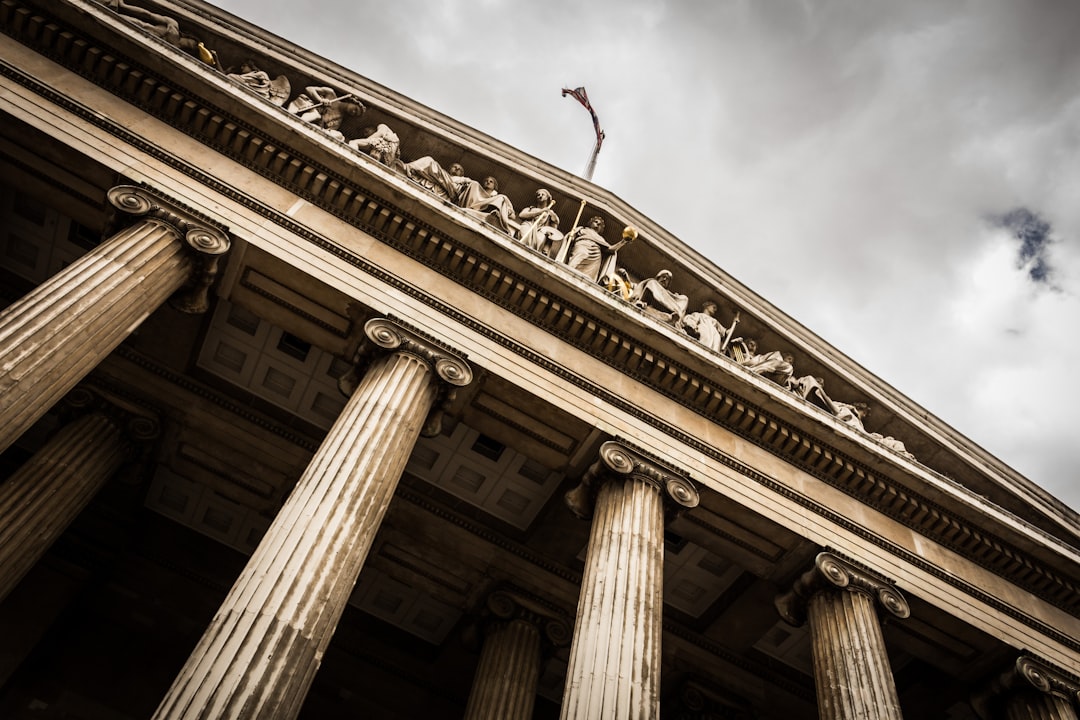
In its heyday, the Foshay Tower stood as a pulsating heart of social and cultural activity in Minneapolis. Completed in 1929, this majestic landmark quickly became a symbol of the city's prosperity and sophistication. The tower's opulent ballrooms and elegant dining venues played host to the who's who of society, from political elites to Hollywood celebrities, creating a vibrant atmosphere that mirrored the bustling energy of the times. Its influence extended far beyond its grand interiors; it was a gathering place where ideas exchanged, trends set, and memories forged, cementing its place as an integral part of Minneapolis' cultural landscape during the golden age of American architecture.
The Foshay Tower's appeal transcended mere aesthetics. As a hub for social interactions, it fostered connections between diverse communities, fostering an inclusive environment that celebrated art, music, and the performing arts. These gatherings were not merely entertainment; they served as platforms for intellectual discourse, cultural exchange, and community building, enriching the city's social fabric during its most prosperous era.
Decline and Revitalization: Saving a Piece of History

The Foshay Tower, once a symbol of Minneapolis's pride and prosperity, faced a period of decline in the late 20th century. As the city evolved, the tower became an overlooked remnant of its past glory. Factors such as changing economic landscapes and shifting urban trends contributed to its struggle. The once-bustling hub experienced a quieting, with businesses moving on and the building's reputation fading. However, in a remarkable turn of events, the community came together to revitalize this historical landmark.
Efforts to save the Foshay Tower sparked a movement, focusing on preserving a piece of Minneapolis's history. Through dedicated restoration work, the tower was revitalized, transforming it into a mixed-use space that includes residential apartments, retail shops, and office spaces. This rebirth not only breathed new life into an iconic structure but also served as a testament to the city's commitment to embracing its past while forging a sustainable future.